


Late April and May ushers in the emergence of carpenter bees.
By first glance, the carpenter bee looks very much like a bumble bee with a couple major differences. One being that on a carpenter bee there is a dark smooth spot on its back with little yellow covering or hairs. The bumble bee has more yellow on its body and is quite aggressive packing repeated stings from males and females.
Carpenter bees seem very aggressive but most likely the aggressive behavior is to divert an intruder from areas where they are working. In fact, carpenter bee males do not have the ability to sting however, the females are glad to use their stinging ability as a protection if touched or bothered.
Carpenter bees are wood destroying insects while bumble bees are not. A carpenter bee drills about a one-half-inch hole in wood to tunnel in to lay eggs in a safe place for eggs to develop into adults. The cycle starts all over again from year to year unless a treatment is done.
Carpenter bees do not consume wood for nourishment but instead use the wood as protection to insure the continuance of the species.
Controlling carpenter bees can be achieved by treating each emergence hole in the wood with a pesticide labeled for carpenter bees and untimely sealing the hole.
The most important tip is to don’t procrastinate on treatment. Start as soon as the bees are seen.
Many times, a repeat treatment may need to be done again in August to early September to break the life cycle.
 Marshall County Council set to address budget, grants, and economic development tonight
 Ryan Welch sworn in as newest Plymouth Park Board Member
 Plymouth City Council to take up controversial 900-acre annexation & rezoning tonight
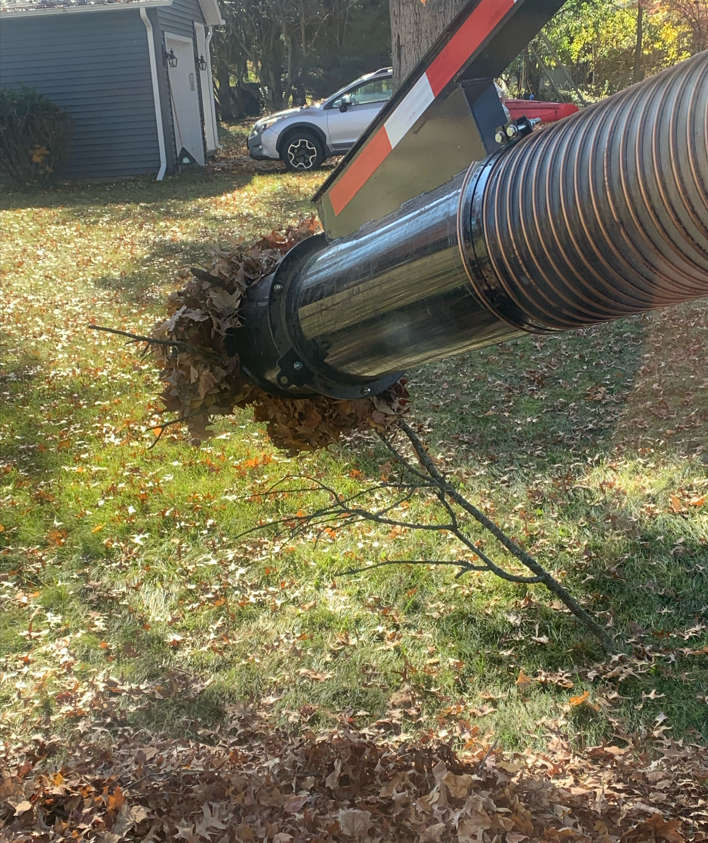 Plymouth and Culver Street Departments remind residents: keep leaves at the curb, not in the street
 High-paying jobs in advanced manufacturing with Wright Industries expansion
 Keys to Christmas at The REES brings holiday music and dueling pianos to downtown Plymouth
 Marshall County Historical Society Museum kicks off Holiday Sale Nov. 10
 Conservation officers remind hunters to prioritize safety during deer season