

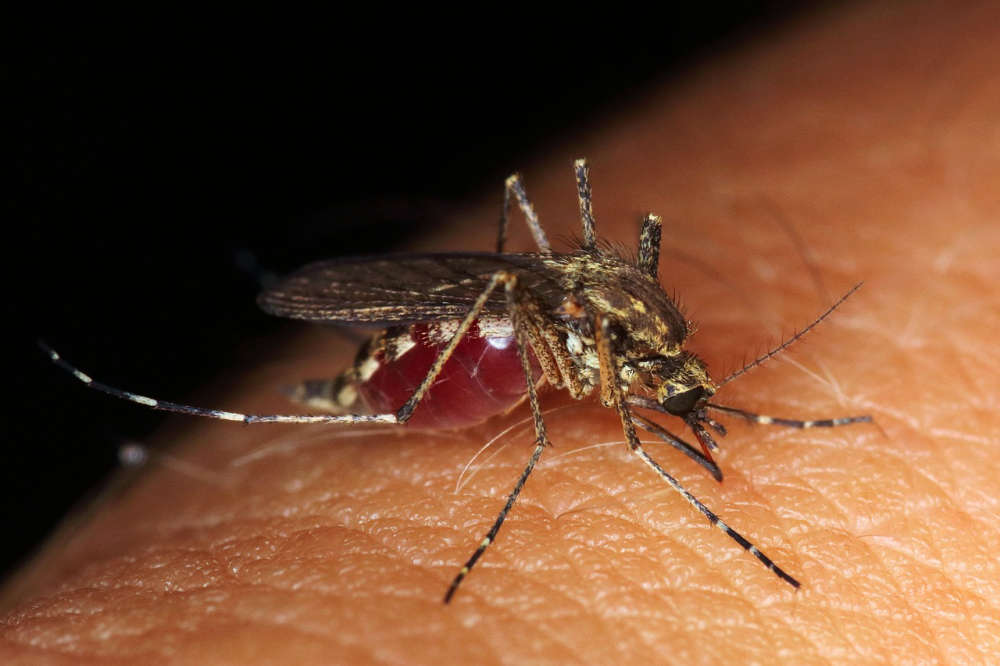
The Indiana Department of Health (IDOH) has notified the Parke County Health Department that mosquito samples collected from three locations in Parke County have tested positive for West Nile virus (WNV).
The department recommends taking precautions against mosquito bites to reduce the risk of disease caused by mosquito-borne viruses, which in addition to WNV include Eastern equine encephalitis (triple E) virus, and La Crosse virus.
State and local officials recommend that all Hoosiers take the following steps to prevent mosquito-borne diseases:
* Use insect repellent. Apply EPZ-registered insect repellents containing DEET, picaridin, IR3535, oil of lemon eucalyptus, para-menthane-diol, or 2-undercanone according to the label instructions.
* Wear protective clothing. Wear loose-fitting, long-sleeved shirts and pants. Consider treating clothing and gear with a permethrin product (note: permethrin products should not be applied directly to the skin).
* Know when to expect mosquito bites. The Culex species of mosquito is mostly responsible for WNV and is active mostly between dusk and 1 a.m., and at dawn. Taking precautions to avoid bites between dusk and dawn is recommended.
Furthermore, homeowners, landlords, and property managers should take the following steps to control mosquitoes indoors and outdoors:
* Install screens on windows and doors and keep them in good repair.
* Look for containers that could hold water such as trash, tires, buckets, toys, pools, birdbaths, flowerpot saucers, or trash containers.
* Prevent mosquitoes from accessing containers. This can be done by removing trash; moving items indoors; covering or overturning items not in use; drilling holes in the bottom of trash containers; installing screens on rain barrels; replacing water in pet bowls daily; and flushing birdbaths, fountains, and other containers at least once a week.
* Maintain properties and landscaping in good condition. This includes servicing septic systems, keeping grass mowed and shrubs trimmed, cleaning gutters regularly, and aerating ornamental pools or stocking them with predatory fish.
Most people infected with West Nile Virus have no symptoms or only mild flu-like symptoms which can include fever, headache, body aches, joint pain, vomiting, diarrhea, or a rash. Some people infected with West Nile Virus will develop a more severe form of the disease affecting the nervous system, including inflammation in the brain and spinal cord, muscle paralysis, or even death. People older than 60 years old and those with weakened immune systems are at higher risk of severe West Nile virus disease. People who think they have WNV disease should see their healthcare providers.
 Illinois State Fair announces digital ticketing for 2026 season
 Home heating warnings
 Lawrence County arrests
 Knox County under Red Travel Warning
 Another cold weather advisory issued
 Winter storm hits region hard
 Knox County drug bust
 Winter storm warning issued for area
 Winter storm watch in effect for area
 Unit #20 Board of Education recognizes Lady Braves and heroic students
 LCMH receives federal grant funding
 Lawrence County Board approves bridge construction project
 Two arrested after traffic stop in Knox County
 Indiana State Police seeks volunteer chaplains to support trooper wellness and resilience
 St. Francisville water main break
 VU Health Sciences and Learning Center to officially open in February
 Earthquake in southern Illinois
 American Red Cross urges the public to donate blood