

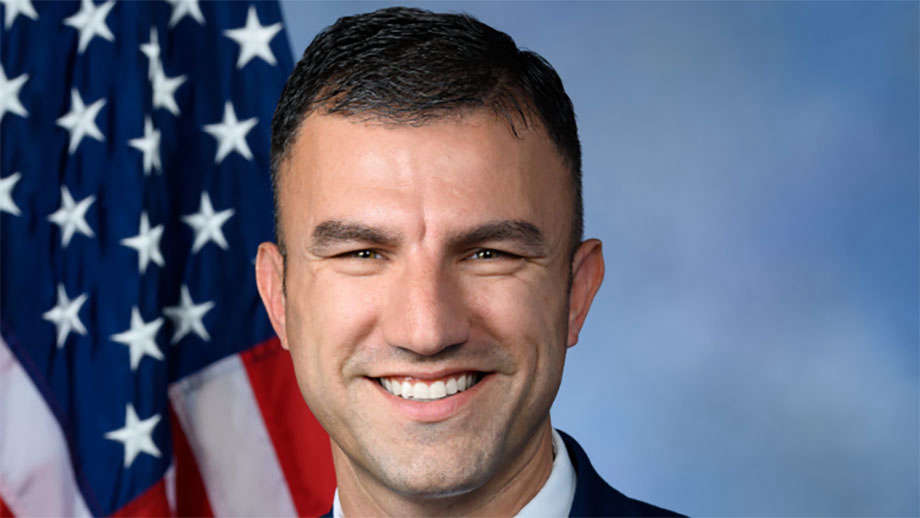
Today, Congressman Rudy Yakym (R-IN-02) was joined by Reps. Brad Schneider (D-IL-10), Mariannette Miller-Meeks (R-IA-01), and Debbie Dingell (D-MI-06) in introducing the Keeping Individuals with Dialysis Needs Equipped through Year-round Remote Monitoring Act, known as the KIDNEY Remote Monitoring Act (H.R. 8319), which would expand Medicare coverage for remote patient monitoring services furnished by nephrologists to individuals with end stage renal disease receiving home dialysis.
"Home dialysis patients deserve access to the same tools other Medicare patients already benefit from,” Rep. Yakym said. "Right now, a cardiologist and a nephrologist can order the exact same remote monitoring service for the same patient, but only one of them gets reimbursed fairly for it. The KIDNEY Remote Monitoring Act is a commonsense fix that removes a bureaucratic barrier and better serves patients."
"Expanding Medicare coverage for remote patient monitoring will strengthen kidney care to improve patient outcomes," Rep. Schneider said. "I am proud that companies like Vantive Health – headquartered right here in my district – are at the forefront of developing and delivering this cutting-edge remote monitoring technology. The KIDNEY Remote Monitoring Act will ensure Medicare coverage for device setup, patient education, and the secure transmission of health data to physicians, providing reliable care for patients from the safety and comfort of their homes."
"As a physician, I’ve seen how early intervention can make all the difference for patients with complex conditions like ESRD," Rep. Miller-Meeks said. "Remote monitoring allows providers to stay connected to patients in real time, improving care and reducing costly complications. This is a commonsense step to modernize care and support patients on home dialysis."
"Kidney disease remains a serious and widespread health concern across the United States and demands more innovative care solutions," Rep. Dingell said. "This legislation will help patients stay healthier, reduce costly appointments, and ensure they receive the treatment they need at a price they can afford. It will modernize life-saving care and make it more affordable, accessible, and effective."
The bill has also garnered support from several stakeholders including ASN and Alliance for Home Dialysis.
"Remote patient monitoring (RPM) can play a critical role in shifting the way that patients use home dialysis by increasing patient comfort and decreasing hospitalizations," Samir Parikh, MD, FASN, the President of the American Society of Nephrology said. "This can offer people with kidney diseases better outcomes and improved quality of life."
"Digital tools like telehealth and remote patient monitoring enable clinicians to proactively identify issues and treat patients dialyzing at home," The Alliance for Home Dialysis said. "These tools can reduce complications, prevent unnecessary emergency care, and keep patients connected to their care team. That means greater confidence, security, and support for patients.
"The Alliance for Home Dialysis thanks Reps. Yakym, Schneider, Miller-Meeks, and Dingell for introducing this important legislation to expand access to digital tools for patients with end-stage renal disease.
"Every patient deserves the chance to make an informed choice, with their care team, about the treatment that best meets their needs, including home dialysis. This bill supports that choice by expanding access to tools that empower patients, strengthen care at home, and support the clinicians who care for them."
Read full bill text HERE.
Background:
End stage renal disease (ESRD) affects hundreds of thousands of Americans, many of whom manage their condition through home dialysis. Research shows remote patient monitoring (RPM) meaningfully improves outcomes for these patients, including a 45 percent lower rate of all-cause mortality, a 51 percent lower rate of cardiovascular-related deaths, and a 69 percent lower rate of hospitalizations from fluid overload. RPM has also been shown to reduce one to two hospitalizations, and two to five emergency room visits per patient annually, producing roughly $23,000 in cost savings per patient.
Despite these benefits, a Medicare billing quirk discourages nephrologists from using RPM. Cardiologists, endocrinologists, nephrologists, and other specialists can bill RPM through Medicare Part B for patients with chronic kidney disease. But when their disease progresses and they are diagnosed with ESRD, Medicare folds the cost of RPM into the Monthly Capitation Payment within the ESRD bundle, effectively limiting access to this technology. The KIDNEY Remote Monitoring Act corrects this disparity, allowing remote physiologic monitoring ordered by a nephrologist to be reimbursed outside the capitated payment bundle, ensuring better access to remote monitoring for patients with ESRD.
 Meta to pay up to $419M to Indiana, implement sweeping child-safety reforms on Instagram and Facebook
 New storm recovery texting service to connect impacted Hoosiers with disaster resources
 Indiana Pork and Indiana Beef donate State Fair food to support flood-ravaged communities
 IDEM reminds residents to sort and safely dispose of flood debris
 Gov. Mike Braun orders flags lowered to half-staff in honor of Dolly Parton
 Indiana law enforcement to increase impaired driving enforcement ahead of Labor Day
 The Elwood officially opens in Kokomo as Goodin Development receives Certificate of Occupancy