

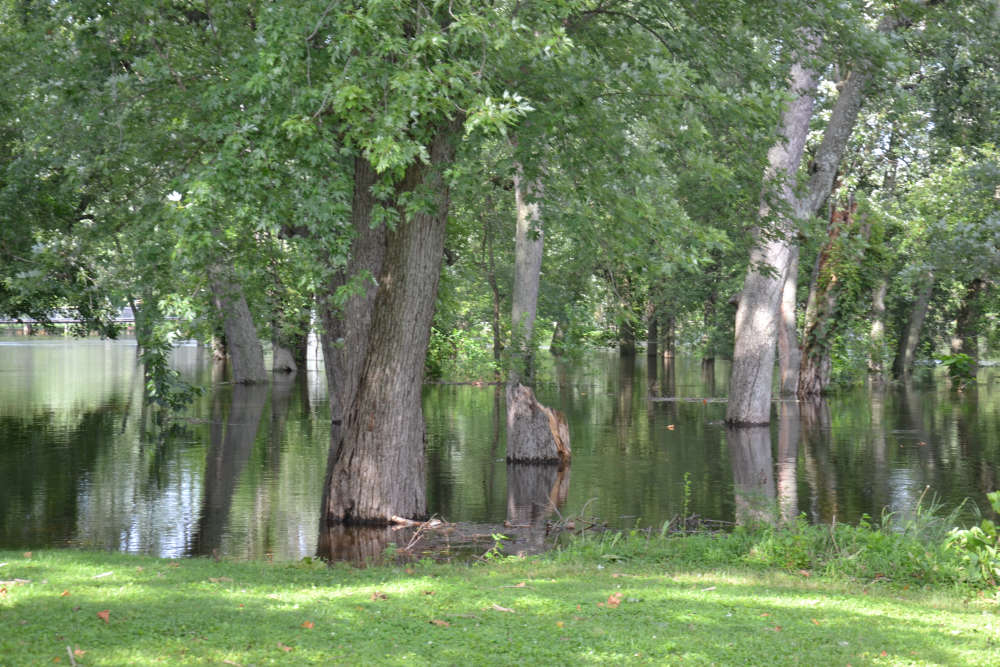
A flood warning in Pulaski County has been extended by the National Weather Service for the Tippecanoe River above Winamac until late Sunday, July 21.
It was reported that on Wednesday evening the stage was 11.9 feet, with several lots being flooded in the eastern parts of Winamac near the Indiana 14 bridge. Flood stage is when the river exceeds 10 feet or higher. The Tippecanoe River is expected to fall below flood stage in Winamac by late Saturday morning, and continue falling to 8.5 feet by Monday evening.
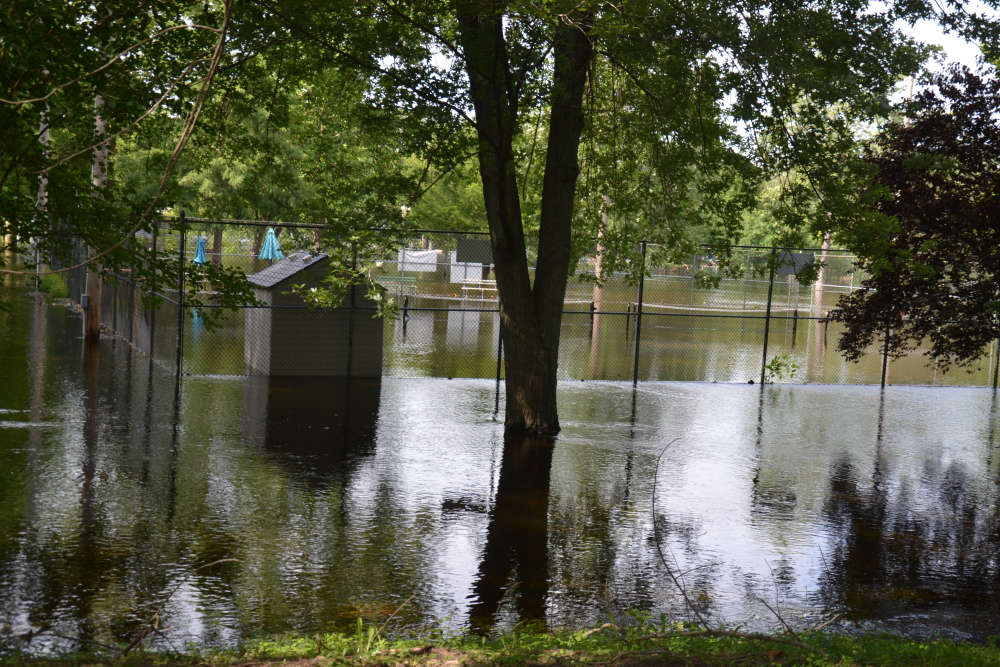
The Winamac Town Park is also closed due to flooding. The flooding also meant canceling the 47th annual Northern Indiana Power of the Past, which was supposed to be going on from July 18 to July 21 in the park.
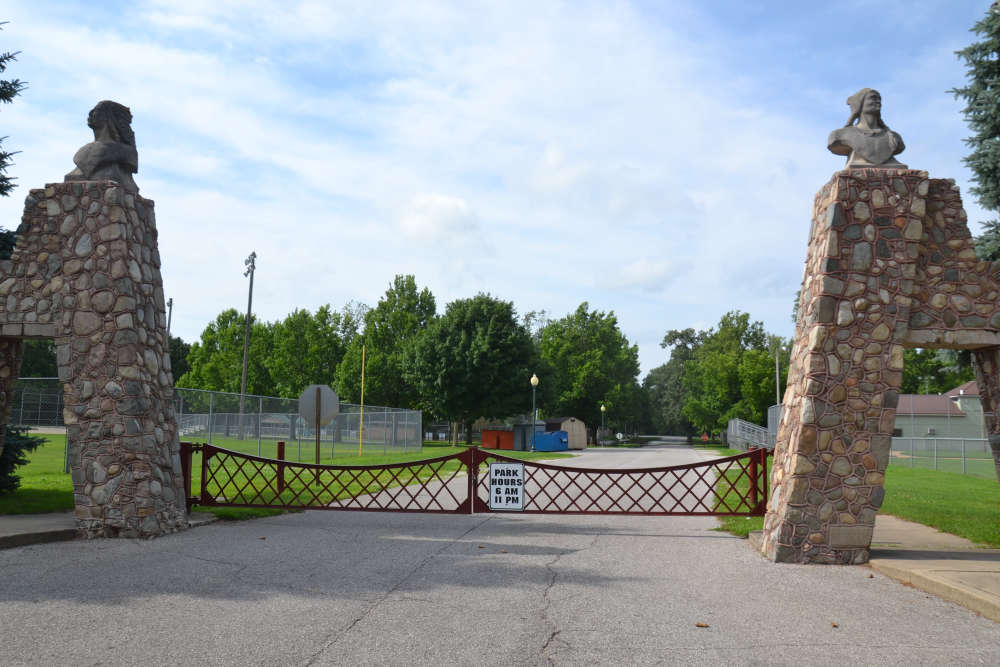
Winamac Town Manager Brad Zellers said they measured 11 inches of rain last week alone. With average monthly rainfall typically being around 3.5 inches, Zellers said he isn't surprised about the high river levels or the park's flooding. So far, Zellers said, they have not had any residents reach out to them for sandbags or help.
While they can't control Mother Nature, Zellers said they can try to keep things as safe as possible, which means a lot more work behind the scenes that most people don't see. Zellers said the electric company kills the power to the park, but electric panels from lift stations in the park restrooms have to be removed, taking at least a half day to take the panels off and seal the wires to prevent water damage. Once the river recedes, Zeller said the clean up at the park is another huge task to tackle.
 Gov. Braun leads largest coordinated debris operations in recent state history
 Affordable Hearing representatives help bring Indiana support to veterans hearing care bill
 Attorney General Todd Rokita calls on Hoosiers to claim compensation for inflated generic drug prices
 Governor Braun proclaims Indiana Rail Safety Week September 21-27
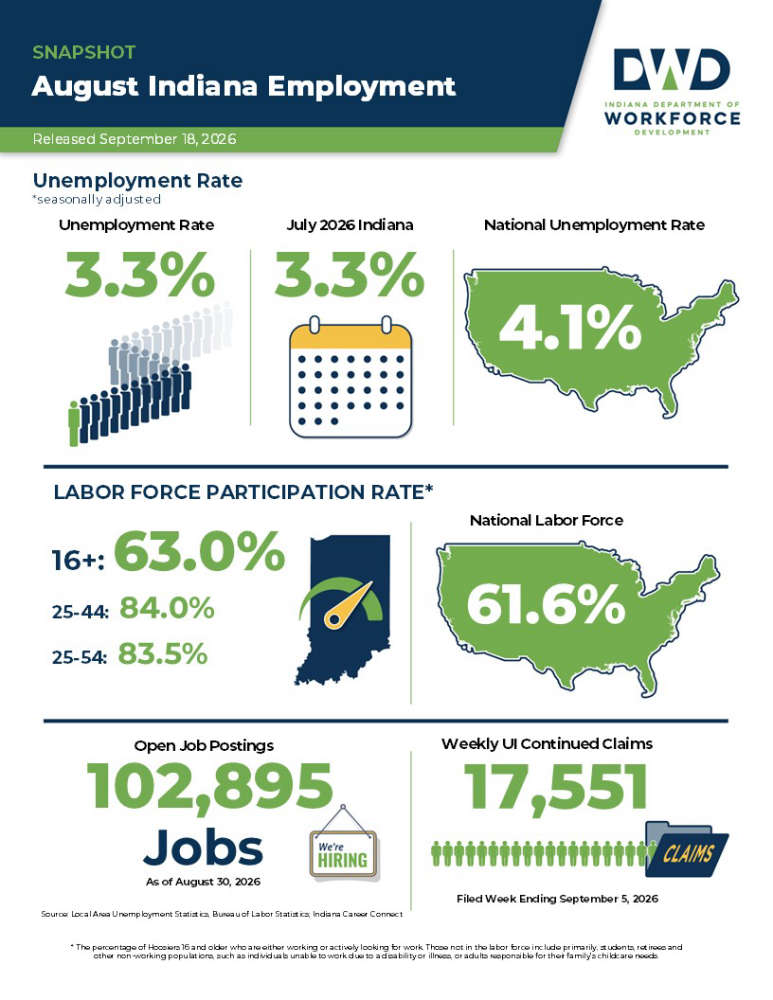 State unemployment rate remains below national average
 Indiana weekly gas price update
 USDA announces 2026 and 2027 enrollment for key price and revenue safety net programs, first base acre increase in two decades