


As temperatures drop, an invisible threat may be increasing in your home. Radon, a naturally occurring radioactive gas, tends to accumulate at higher levels during colder months. The Marshall County Health Department tells you what you need to know:
Radon is a colorless, odorless, tasteless gas that forms from the natural decay of uranium in soil and rocks. It can seep into homes through cracks in foundations, walls, and other openings.
Radon is the second leading cause of lung cancer after smoking. Long-term exposure significantly increases cancer risk, even for non-smokers.
In colder weather homes are more tightly sealed, trapping radon indoors. Heating systems can create pressure differences that draw radon from the ground and frozen soil can prevent radon from escaping into outdoor air.
The only way to know your home's radon level is to test it. Inexpensive DIY test kits are available, or you can hire a professional.
If high levels are detected, radon reduction systems can be installed to protect your family.
The Marshall County Health Department wants families to take action now to ensure their home is safe. Protect your loved ones from this silent health threat!
 Bill to increase access to veterinarians signed into law
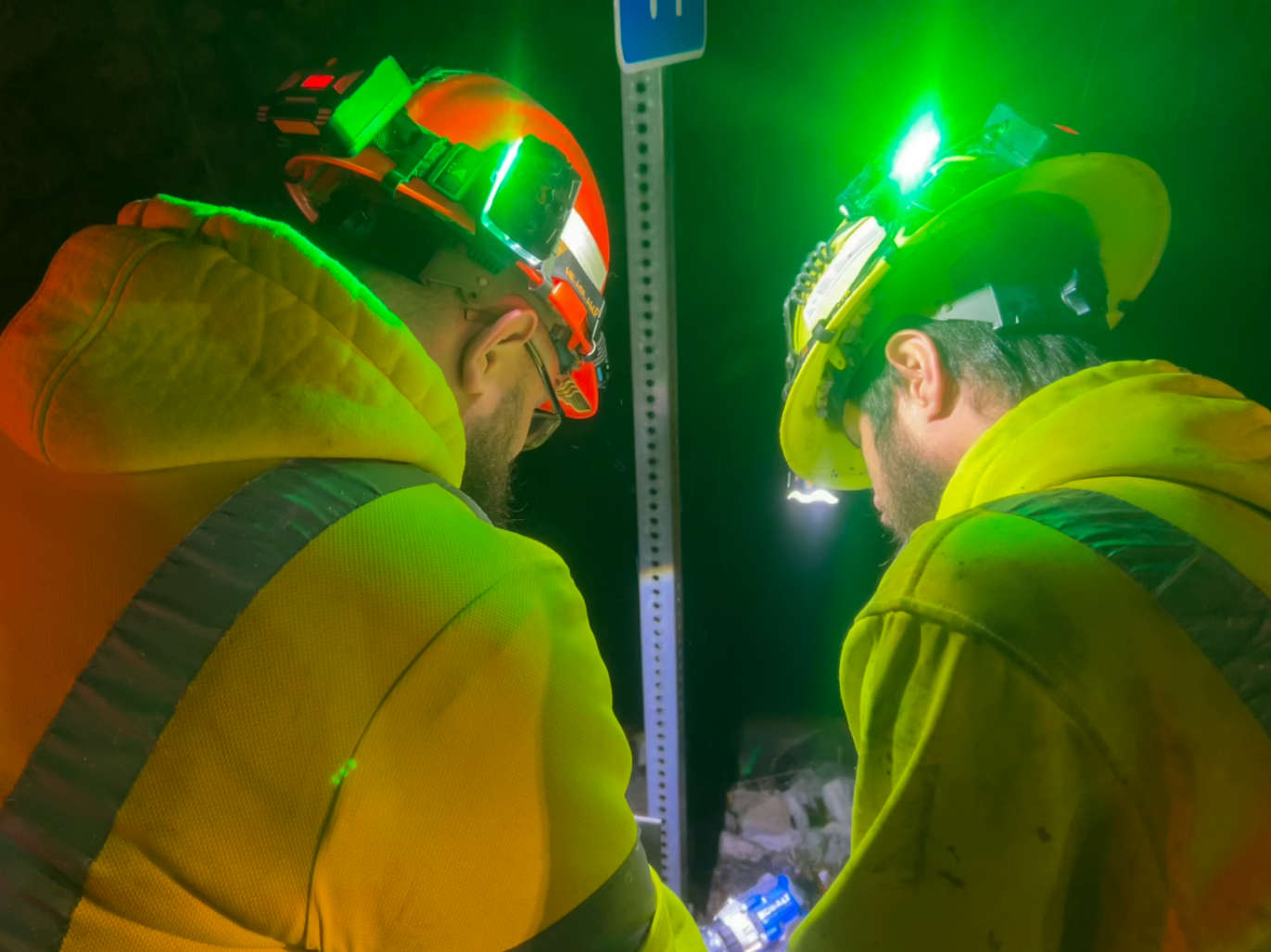 INDOT implements new roadway worker safety initiative: Project Greenlight
 "Viewpoint with Dennis Quaid" puts national spotlight on City of Peru
 Fatal crash with multiple injuries in Wabash
 4C Health announces Dr. Betsy Rosiek as Associate Medical Director
 USDA announces enrollment period for Farmer Bridge Payments
 Gov. Braun Launches READI 2.0 Arts & Culture Initiative
 ICE detainee found dead at Miami Correctional Facility