
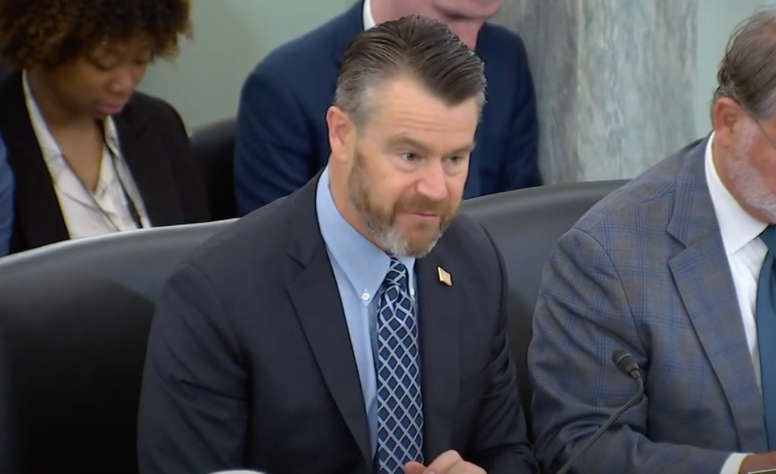
Tuesday, U.S. Senators Todd Young (R-Ind.) and Gary Peters (D-Mich.) introduced the Brake for Kids Act, legislation to increase public awareness about the dangers of illegally passing a stopped school bus.
In 2024, the National Highway Traffic Safety Administration reported that 24% of people were unaware that it is illegal to pass a stopped school bus with its lights flashing and stop arm displayed. To raise awareness, the Brake for Kids Act would direct the Secretary of Transportation to carry out a national public safety messaging campaign on the dangers of illegally passing stopped school buses.
“Every school year, far too many illegal school bus passings occur, which puts the lives of students at risk. Our bill will raise awareness about the dangers of passing a stopped school bus to help ensure that our kids make it to and from school safely,” said Senator Young.
“Parents need to know their kids are safe taking the bus to and from school,” said Senator Peters. “That’s why I’m proud to help lead this bipartisan, commonsense legislation to raise awareness of the dangers of illegally passing school buses and promote best practices for making our communities safer.”
Young and Peters have previously worked to help prevent illegal school bus crossings, introducing the Stop for School Buses Act in 2019 and again in 2021.
Full text of the Brake for Kids Act can be found here.
U.S. Representatives Rudy Yakym (R-IN-02), Pete Stauber (R-MN-08), Seth Moulton (D-MA-06), and Julia Brownley (D-CA-26) introduced companion legislation in the House of Representatives.
 Woodlawn Hospital provides notice of a data event, email investigation
 Governor Braun proclaims Indiana Rail Safety Week September 21-27
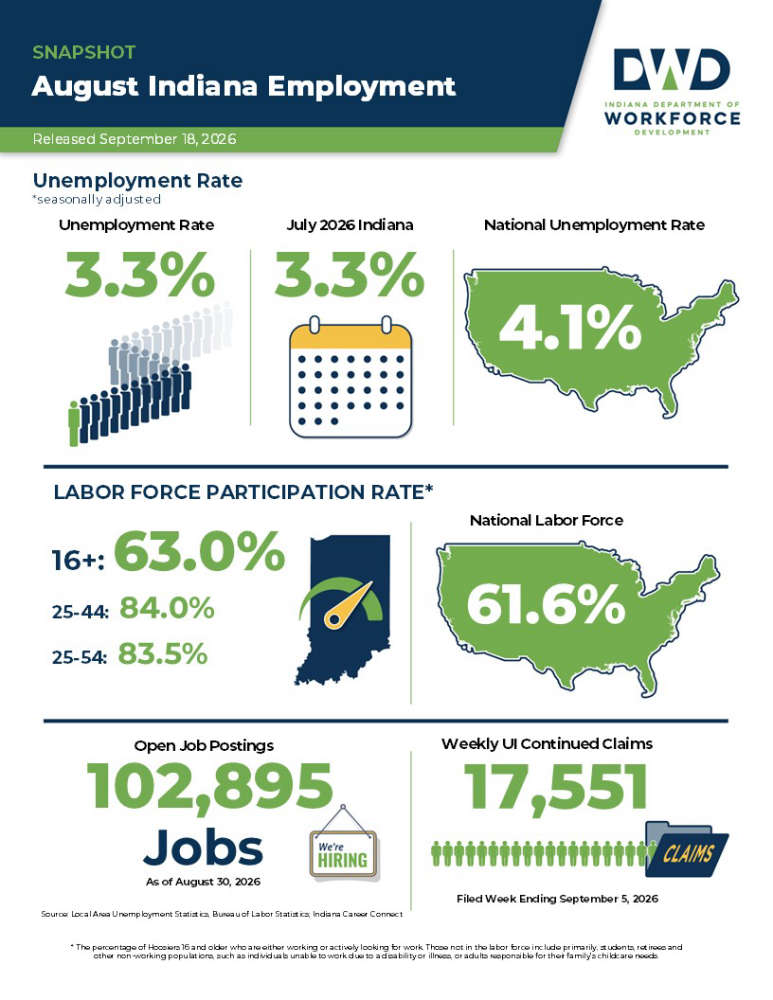 State unemployment rate remains below national average
 Indiana weekly gas price update
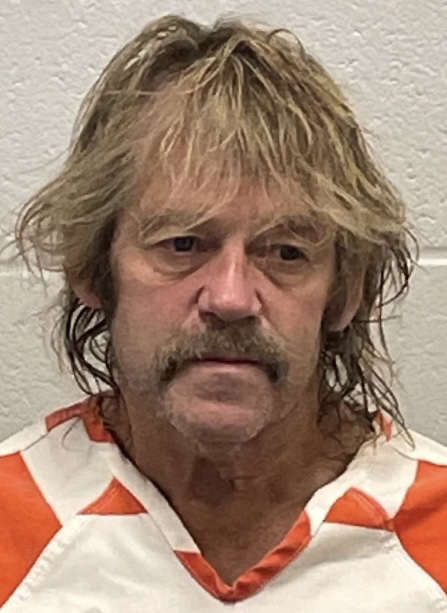 Argos man arrested on charges of dealing meth
 Stories and Stones Cemetery Walk Program in Culver Saturday
 Fulton, Cass and Wabash counties among FSA offices hiring program analyst
 USDA announces 2026 and 2027 enrollment for key price and revenue safety net programs, first base acre increase in two decades