
This news article was provided by Sen Young's office.
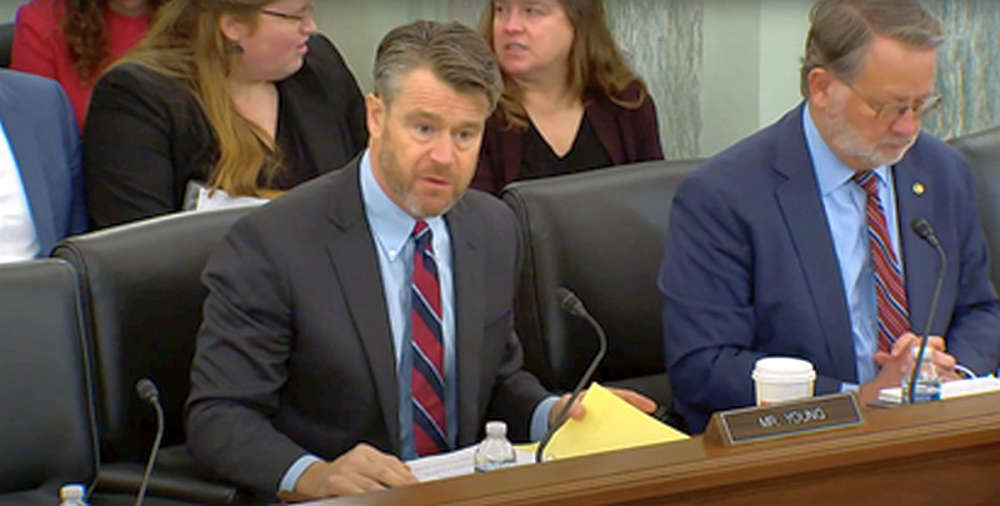
U.S. Senator Todd Young (R-Ind.) joined U.S. Senator Ron Johnson (R-Wis.) in introducing the Shutdown Fairness Act to ensure that hard-working Americans are paid during government shutdowns. This legislation would appropriate funds for pay and allowances of excepted federal employees for periods of work performed during a lapse in appropriations, and for other purposes.
“Excepted” workers are federal employees who must continue working during a lapse in appropriations because their duties are legally authorized to continue, performing essential services to protect life and property or ensure national security.
“Essential federal employees who continue to show up and do their jobs during this government shutdown manufactured by Senate Democrats shouldn’t pay a price,” said Senator Young. “The Shutdown Fairness Act would make sure these hard-working Americans are paid on time for the work they perform, just as they deserve.”
“With Democrats continuing the Schumer Shutdown, they should at least agree to pay all the federal employees that are forced to continue working. The 2025 Shutdown Fairness Act is a permanent fix that will ensure excepted workers and our troops are paid during a shutdown,” said Senator Johnson.
In addition to Senators Young and Johnson, U.S. Senators Ted Budd (R-N.C.), Bill Cassidy (R-La.), Mike Crapo (R-Idaho), Tom Cotton (R-Ark.), James Risch (R-Idaho), and Dan Sullivan (R-Alaska) also helped introduce the legislation.
Full text of the legislation can be found here.
 Woodlawn Hospital provides notice of a data event, email investigation
 Governor Braun proclaims Indiana Rail Safety Week September 21-27
 State unemployment rate remains below national average
 Indiana weekly gas price update
 Argos man arrested on charges of dealing meth
 Stories and Stones Cemetery Walk Program in Culver Saturday
 Fulton, Cass and Wabash counties among FSA offices hiring program analyst
 USDA announces 2026 and 2027 enrollment for key price and revenue safety net programs, first base acre increase in two decades