


Andrew Boxberger, attorney for the Marshall County Regional Sewer District, explains why Sewer Districts were designed from the beginning to be independent of government control.
In 2006, the Indiana General Assembly enacted IC 13-26, authorizing the creation of Regional Water and Sewer Districts (RWSDs) due to issues related to water pollution and poor water management systems in rural areas. A major factor behind this legislation was the widespread use of outdated or failing septic systems, especially in areas where lot sizes are too small for proper drainage or where properties are near lakes, rivers, or wetlands.
County governments generally are not equipped to manage these kinds of infrastructure issues, and the State aimed to shield these entities from county political structures so they could perform their duties consistently and effectively.
Boxberger said a "RWSD is defined as a ‘body corporate and politic’, which carries with it both corporate powers (like contracting and bonding) and public responsibilities (serving health and environmental goals). Once established—often by petition of property owners, counties, or recommendation by state agencies—RWSDs become autonomous units, not answerable to county commissioners or other local government bodies in their operational decision-making.”
The Marshall County Regional Sewer District board was established under this Indiana law and its formation order. Five members were appointed by the County Commissioners, one by the County Council, and one by the Mayor of the City of Plymouth. Boxberger said, “This structure intentionally avoids the short-term thinking and political influences that can impact county or municipal utilities, aligning governance more with professional, engineering-focused priorities.”
The Indiana statutory design reflects a philosophy of delegated governance for technical expertise. Once a RWSD is established, counties have no day-to-day control. This protects the RWSD’s core mission from political swings, local resistance, and budgetary competition. An RWSD 's independence also enables professional staff—engineers, environmental scientists, and utility managers to guide policy, rather than elected officials who may lack the technical background or political will.
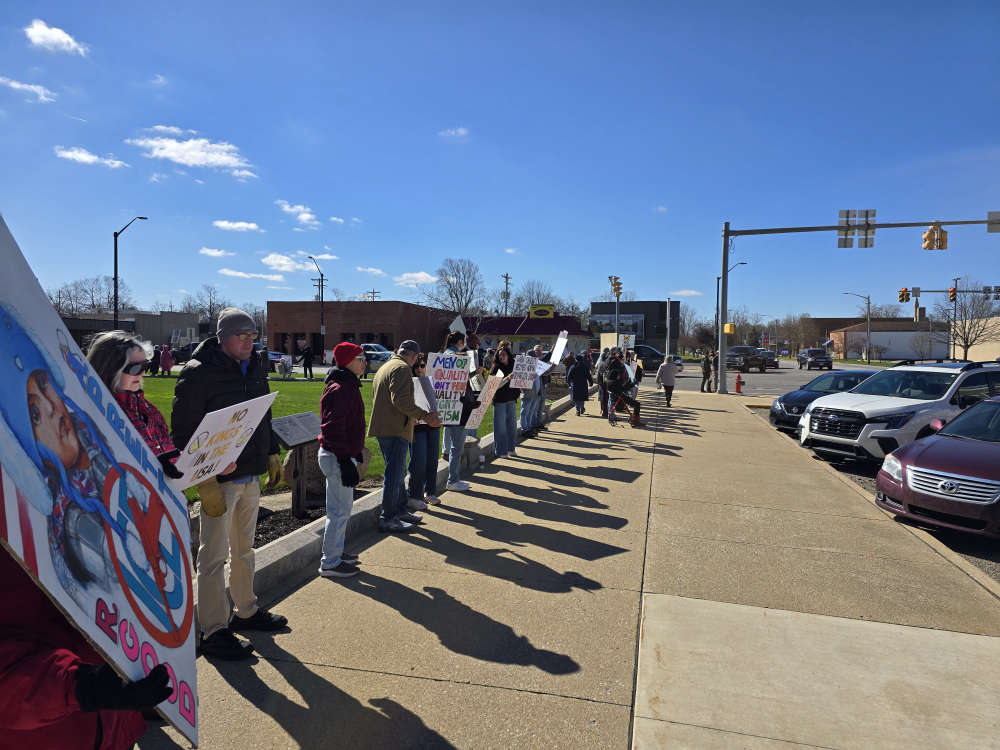 Fulton County Democratic Party documents Saturday's protest
 Rochester man facing felony charges after allegedly attacking man with hammer
 Voter registration deadline April 6
 Flags ordered to half-staff for Captain Seth Koval
 U.S. Representative Yakym mobile office hours for April
 Reported sexual assault Friday afternoon results in arrest that evening
 National Band Expo on May 16 at Sweetwater
 Rochester FD hiring full-time firefighter