


New York City Comptroller Brad Lander sent letters demanding the CEOs of Walmart, Costco, Kroger and other large retailers immediately start dispensing the abortion drug, Mifepristone, in every state where the drug is legal in order to maximize sales and long-term shareholder value.
Indiana State Comptroller Elise Nieshalla sees this as a faulty fiduciary duty argument.
“If we take this reasoning of the NYC Comptroller to its natural conclusion, there may be short-term gain from drug sales, but there would be lifetimes of loss in the decreased sales of diapers, formula, food, clothing, school supplies and on and on,” said Comptroller Nieshalla.
NYC Comptroller Lander, who serves as the custodian and trustee of $1.32 billion in total pension assets invested in these retail corporations, threatened divestment if the drug was not made available for sale.
“This pressure campaign by the NYC Comptroller disregards all the factors companies consider when deciding whether to sell a particular product,” states Comptroller Nieshalla. “The leaders of Albertsons, Kroger, McKesson, Costco and Walmart should determine what goods best serve their customer base and shareholders (free markets) without coercion from an elected official.”
Costco recently conveyed they had no material demand for the abortion drug.
Comptroller Nieshalla, along with 15 other state financial officers, sent a letter to each of the pharmaceutical leaders urging support to disregard the NYC Comptroller’s recent demands, which prioritize political advocacy over fiduciary duty.
 Woodlawn Hospital provides notice of a data event, email investigation
 Governor Braun proclaims Indiana Rail Safety Week September 21-27
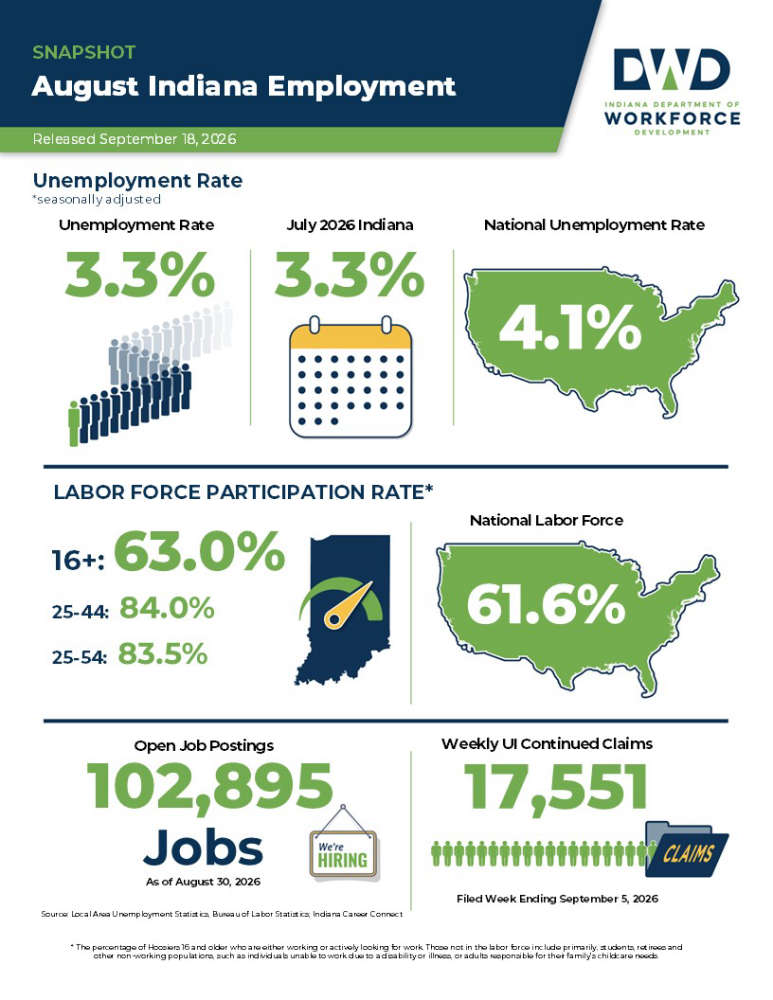 State unemployment rate remains below national average
 Indiana weekly gas price update
 Argos man arrested on charges of dealing meth
 Stories and Stones Cemetery Walk Program in Culver Saturday
 Fulton, Cass and Wabash counties among FSA offices hiring program analyst
 USDA announces 2026 and 2027 enrollment for key price and revenue safety net programs, first base acre increase in two decades